
call 800-291-1732 (Who Answers?) for a free referral.
Various forms of pharmacotherapy have evolved to assist in the treatment of opiate addiction. According to The Development of Medications for the Treatment of Opiate and Cocaine Addictions, and in recognition of the need to improve availability of medications that can be used in the treatment of drug addiction, the Anti-Drug Abuse Act of 1988 in conjunction with NIDA authorized funds to help improve the availability of medications to be used in the treatment of opiate addiction, including those now used in Codeine addiction treatment.
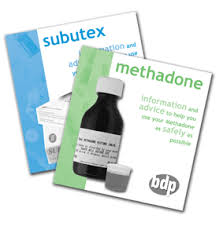
Methadone and Suboxone are two medications that are used to treat codeine addiction.
Today, the following medications are often used in Codeine addiction treatment:
Buprenorphine
According to NIDA, Buprenorphine was approved by the FDA in 2002 and is regularly used in medically assisted opiate detox today. This medication has been found to help patients taper off their use of Codeine and successfully and safely withdraw with reduced risk of relapse.
Clonidine
A blood pressure medication that is commonly used in codeine addiction treatment on a short-term basis, Clonidine is sometimes used to shorten withdrawal times. According to Harvard Health, this medication can help to relieve physical symptoms of Codeine addiction but should only be used short-term; this medication is not safe for prolonged use.
Methadone
Codeine addiction treatment often involves the use of maintenance medications such as Methadone which reduce cravings and withdrawal symptoms. According to the CDC, methadone:
- Blocks the sedating effects of opiates such as Codeine
- Stops cravings for Codeine
- Relieves the symptoms of Codeine withdrawal
- Restores balance into the user’s life
- Stops drug seeking behavior
Suboxone
A combination of buprenorphine and naloxone, Suboxone reduces opiate use, improves recovery times and can help to restore balance into the patient’s life. This medication is often used as a stepping stone in Codeine addiction treatment to help the user get back on track. According to the University of Nevada, Suboxone provides patients with little to no euphoria but can greatly reduce symptoms of withdrawal.
Naloxone
According to the National Library of Medicine, Naloxone is used to reverse the effects of drugs such as Codeine. This medication can be used to treat opiate overdose but its ability to reduce the euphoric effects of Codeine and other opiates has made it widely used in addiction treatment. Patients are given Naloxone to reduce their desire to use because the drug prevents any excitement or euphoria from occurring when the drug is used thus rendering the drug use no longer “fun” or “enjoyable.”
 Codeine Addiction Treatment -
Codeine is a legally prescribed narcotic that has a high potential for abuse and for subsequent addiction. Many people underestimate how dangerous this medication is and how addictive it really can be. Once addiction sets in, the decision to quit may be hindered by withdrawal symptoms that make it difficult to say no to the drug. Codeine addiction ...
Codeine Addiction Treatment -
Codeine is a legally prescribed narcotic that has a high potential for abuse and for subsequent addiction. Many people underestimate how dangerous this medication is and how addictive it really can be. Once addiction sets in, the decision to quit may be hindered by withdrawal symptoms that make it difficult to say no to the drug. Codeine addiction ...  How Outpatient Codeine Rehab Can Help You Overcome -
By attending an outpatient program, you can continue working and living your normal life while seeking the medical care you need.
How Outpatient Codeine Rehab Can Help You Overcome -
By attending an outpatient program, you can continue working and living your normal life while seeking the medical care you need.  Codeine Overdose Treatment – What It’s Really Like -
While not as strong as heroin or morphine, large enough doses of codeine can bring similar “high” effects. Not surprisingly, codeine, heroin and morphine all belong to the same class of drugs known as opiates. Codeine’s classification as a prescription medication likewise places it within the Schedule II class of narcotics drugs. These characteristics make ...
Codeine Overdose Treatment – What It’s Really Like -
While not as strong as heroin or morphine, large enough doses of codeine can bring similar “high” effects. Not surprisingly, codeine, heroin and morphine all belong to the same class of drugs known as opiates. Codeine’s classification as a prescription medication likewise places it within the Schedule II class of narcotics drugs. These characteristics make ...  Treatment Methods for Codeine Withdrawal Symptoms -
Codeine withdrawal symptoms can be as distressing as heroin withdrawals if the person has been using high amounts of codeine regularly. Both drugs are opiate narcotics that produce the effects of euphoria and sedation which increases their abuse and dependency potentials. The only real difference is that heroin is illegal and synthesized in a way ...
Treatment Methods for Codeine Withdrawal Symptoms -
Codeine withdrawal symptoms can be as distressing as heroin withdrawals if the person has been using high amounts of codeine regularly. Both drugs are opiate narcotics that produce the effects of euphoria and sedation which increases their abuse and dependency potentials. The only real difference is that heroin is illegal and synthesized in a way ...